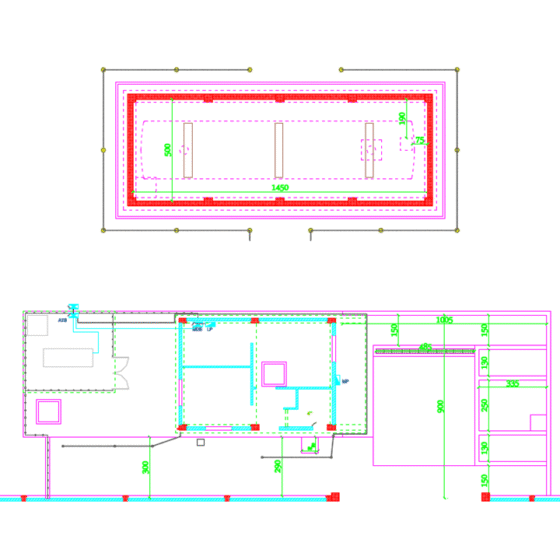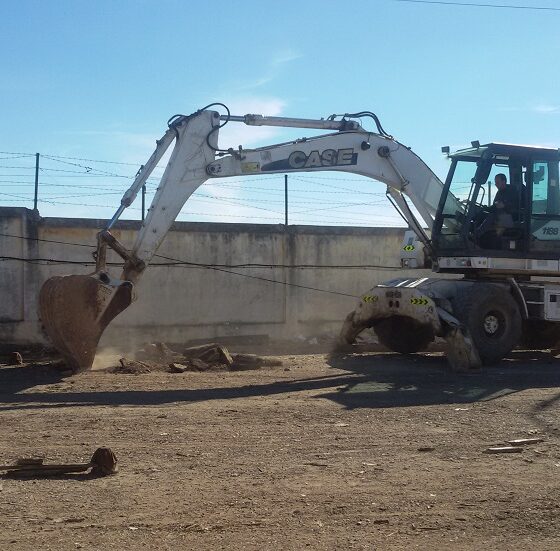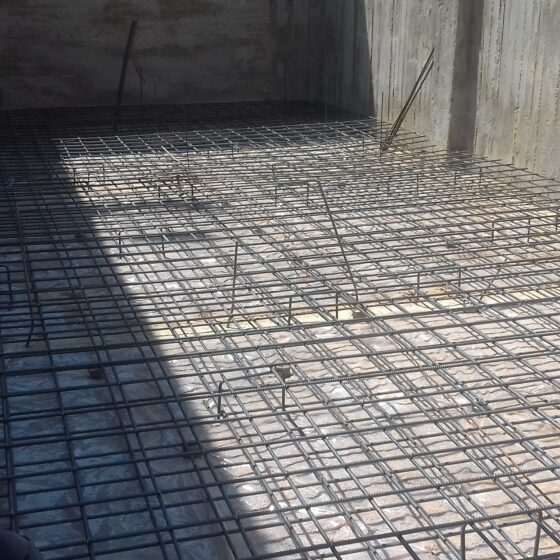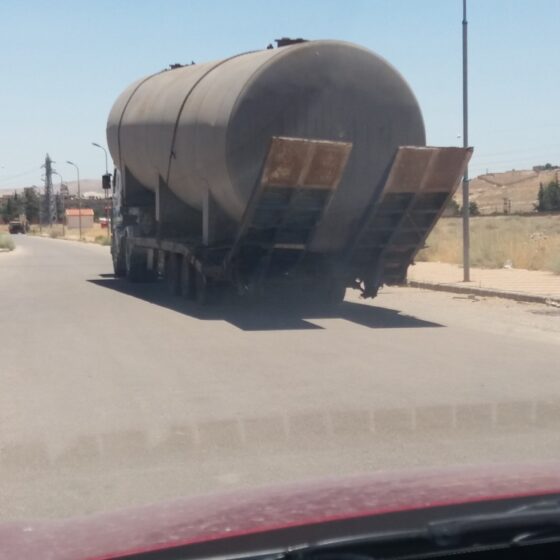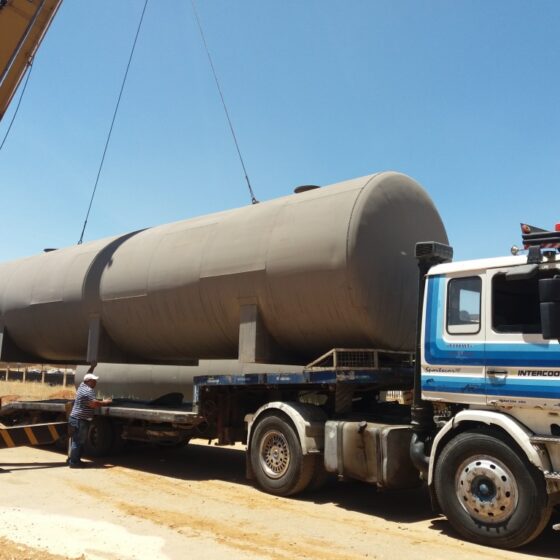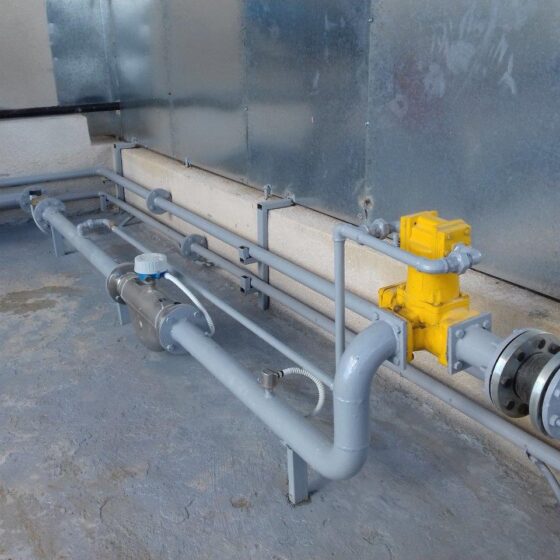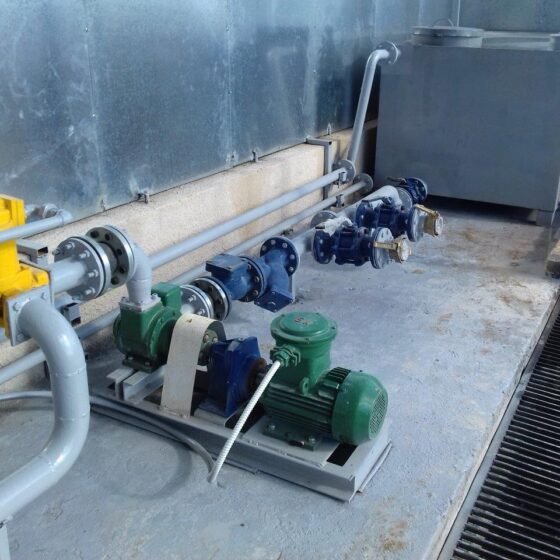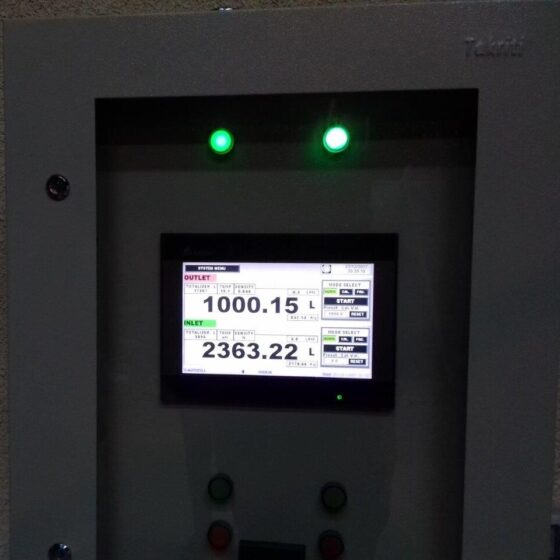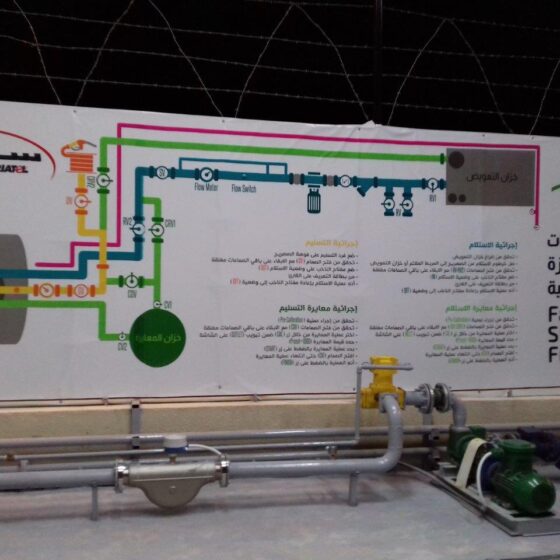
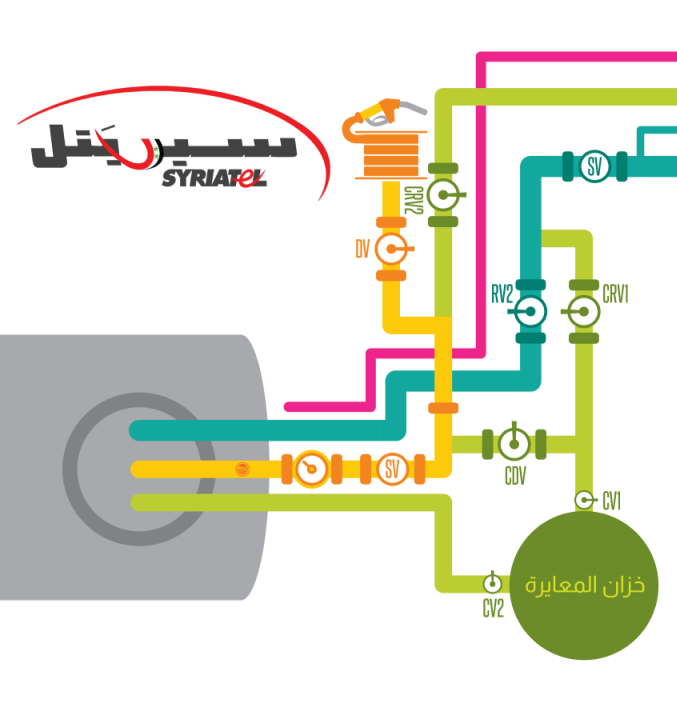
In response to the economic sanctions imposed on Syria, which severely restricted the country’s ability to import fuel, Syriatel embarked on a critical infrastructure project. The primary goal was to ensure uninterrupted fuel supply for the company’s network nodes and critical facilities, thereby preventing potential network outages. As a part of this initiative, Syriatel decided to build its own fuel storage tanks.

As a key member of the power support section, I was primarily responsible for supervising contractors and resolving issues related to the electrical and automation components of the project. My responsibilities included:
Supervision of Contractors:
- Overseeing the work of contractors to ensure adherence to project specifications, timelines, and quality standards.
- Conducting regular site inspections to monitor progress and compliance with safety regulations.
Problem-Solving and Issue Resolution:
- Addressing and resolving technical issues encountered during the construction and implementation phases.
- Collaborating with contractors and internal teams to find effective solutions to any arising problems.
Calibration and Measurement:
- Ensuring the accurate calibration of Endress+Hauser flow meters for precise fuel delivery measurements.
- Project Management Tools: Utilized tools like Microsoft Project to track progress, manage tasks, and ensure effective communication among team members.
- Engineering Software: Employed CAD software for reviewing the electrical and automation layouts.
- Automation Systems: Implemented PLCs and SCADA systems for automated monitoring and control of fuel storage operations.
- Flow Meters: Used Endress+Hauser flow meters for accurate measurement of fuel entering and leaving the storage tanks.
- Calibration Tools: Utilized calibration tools and software to ensure the accuracy of the flow meters.
- Supply Chain Disruptions: The sanctions created significant obstacles in procuring materials.
- Regulatory Compliance: Ensuring compliance with stringent safety and environmental regulations.
- Technical Complexities: The technical intricacies of designing robust and secure electrical and automation systems.
- Flow Meter Calibration: Ensuring precise calibration of flow meters to accurately measure fuel intake and output.
- Developed a network of local suppliers and established contingency plans to mitigate supply chain risks.
- Worked closely with regulatory bodies and incorporated best practices in the design and construction phases to meet all necessary standards.
- Collaborated with experienced engineers and conducted thorough testing to validate the designs.
- Acquired detailed knowledge of the Endress+Hauser calibration process and applied it rigorously to maintain measurement accuracy.
- Operational Continuity: Achieved 99.9% uptime for network nodes and critical facilities post-implementation.
- Cost Savings: Reduced dependency on external fuel suppliers, leading to substantial cost savings in fuel procurement.
- Innovation: Pioneered the use of advanced monitoring and automation systems, setting a new standard for fuel management in the region.
- Precision: Ensured highly accurate fuel measurement and management through the successful calibration of Endress+Hauser flow meters.
The project was successfully completed within the stipulated timeline and budget. The new fuel storage tanks, equipped with advanced electrical and automation systems, significantly enhanced Syriatel’s fuel security, ensuring continuous network operation even amidst fuel import restrictions. This proactive measure not only safeguarded the company’s infrastructure but also bolstered the reliability of communication services for millions of users in Syria.